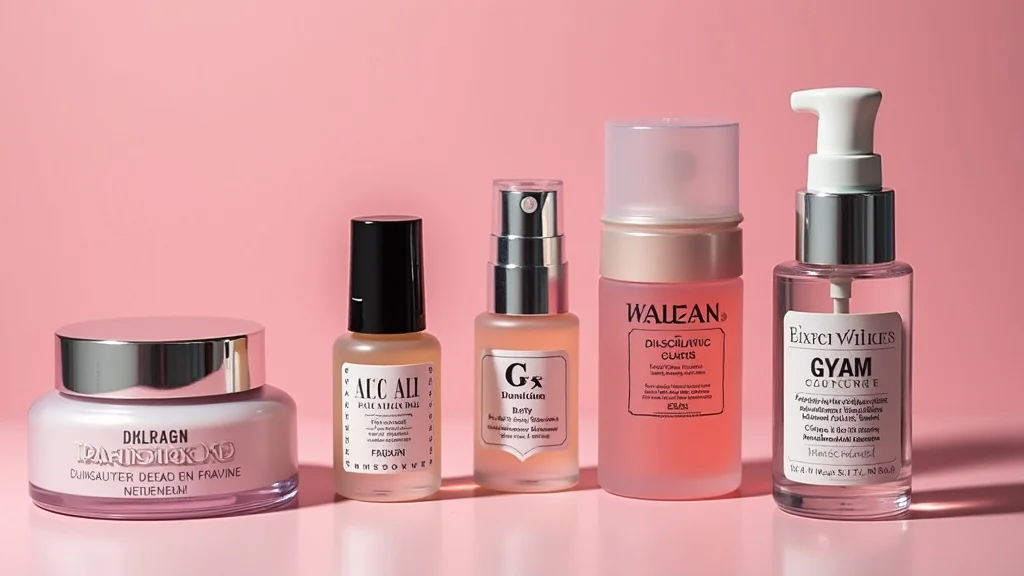
You’ve probably scrolled through social media, seen a new serum or makeup palette everywhere, and wondered, “Is this the next big thing?” It’s exciting to keep up with the beauty world. We’re here to guide you through what’s hot and what’s coming. This post will explore the trending beauty products 2025 will love.
You’ll learn what to look for and how to incorporate these innovations into your routine. Get ready to discover your next favorite beauty finds.
Key Takeaways
- Discover the innovative ingredients shaping future beauty trends.
- Learn about the rise of personalized beauty solutions.
- Understand the growing demand for sustainable and ethical beauty brands.
- Explore the impact of technology on beauty product development and application.
- Identify key makeup and skincare categories to watch for next year.
The Future of Skincare Ingredients
The skincare landscape is constantly shifting, driven by scientific discovery and consumer demand for effective, safe, and often natural solutions. As we look towards what will be popular, a few key ingredient categories are poised for significant growth. These aren’t just buzzwords; they represent a deeper understanding of how our skin works and what it truly needs to thrive.
Consumers are becoming more educated, seeking products backed by research and proven results, moving beyond simple hydration to targeted treatments for specific concerns.
The Rise of Biotics
Probiotics, prebiotics, and postbiotics are no longer just for gut health. They are revolutionizing skincare by supporting the skin’s natural microbiome. The skin’s microbiome is a complex ecosystem of bacteria, fungi, and viruses that plays a vital role in skin health, acting as a protective barrier.
When this balance is disrupted, it can lead to issues like acne, eczema, and premature aging.
Probiotics are live beneficial bacteria that, when applied topically, can help replenish and strengthen the skin’s microbiome. They can improve skin’s barrier function, reduce inflammation, and even help combat acne-causing bacteria. Think of them as introducing helpful soldiers to your skin’s defense force.
Prebiotics are food for these beneficial bacteria. They are non-digestible fibers that selectively stimulate the growth and activity of good bacteria while inhibiting the growth of harmful ones. This ensures that the probiotics and the skin’s existing good bacteria have the nourishment they need to flourish.
Postbiotics are the byproducts of bacterial fermentation. These can include beneficial compounds like short-chain fatty acids, peptides, and vitamins. They offer a range of benefits such as anti-inflammatory, antioxidant, and skin-repairing properties, often providing more stable and targeted benefits than live bacteria.
-
Benefits of Microbiome Support
Understanding the skin’s microbiome is key to unlocking healthier skin. A balanced microbiome can lead to fewer breakouts, reduced sensitivity, and a more radiant complexion. It’s about working with your skin, not against it, to build resilience. -
Product Formulations
Look for serums, moisturizers, and cleansers that explicitly mention these biotics. Companies are formulating these ingredients in ways that ensure their stability and efficacy on the skin, often combining them for synergistic effects. -
Consumer Education
As consumers become more aware of the science behind their skincare, ingredients that support the skin’s natural functions will become increasingly sought after. This trend reflects a move towards more holistic and scientifically-backed beauty routines.
Advanced Peptides
Peptides are short chains of amino acids, the building blocks of proteins like collagen and elastin. In skincare, they act as signaling molecules, telling your skin cells to perform specific functions, such as producing more collagen or fighting inflammation. While peptides have been around for a while, next-level peptide technology is emerging.
New peptide formulations are more targeted and stable, offering enhanced benefits. Some peptides are designed to mimic natural skin processes, like signaling muscle relaxation to reduce the appearance of fine lines (often called “botox-like” peptides), while others focus on boosting collagen production for firmer skin or strengthening the skin barrier. The precision with which these advanced peptides work is what makes them so exciting for the future.
-
Collagen Boosters
Peptides that stimulate collagen synthesis are highly valued for their anti-aging properties. They can help improve skin elasticity and reduce the appearance of wrinkles, offering a non-invasive way to maintain youthful skin. -
Barrier Repair
Specific peptides can help reinforce the skin’s natural barrier function, reducing moisture loss and protecting against environmental stressors. This is particularly beneficial for those with sensitive or compromised skin. -
Targeted Treatments
The innovation lies in the specificity. Researchers are developing peptides that target very particular skin concerns, from hyperpigmentation to redness, offering a more personalized approach to treatment.
Growth Factors and Peptidomimetics
Growth factors are proteins that play a crucial role in cell growth, proliferation, and differentiation. In skincare, they can help accelerate skin repair and regeneration. However, ethical sourcing and stability have been concerns.
Peptidomimetics offer a synthetic, yet highly effective, alternative.
Peptidomimetics are molecules designed to mimic the action of natural peptides and growth factors. They can offer similar benefits in terms of stimulating collagen, improving cell turnover, and aiding in wound healing, but with greater stability and potentially fewer ethical considerations. These advanced bio-engineered ingredients are driving innovation in high-performance skincare, promising significant improvements in skin texture, firmness, and overall rejuvenation.
For example, Epidermal Growth Factor (EGF) is a well-known growth factor that promotes cell growth and repair. Its use in skincare can help heal damaged skin and reduce scarring. Peptidomimetics that replicate EGF’s function without using actual biological growth factors are becoming a key focus in advanced formulations.
Personalized Beauty Takes Center Stage
The era of one-size-fits-all beauty is rapidly fading. Consumers today are looking for products and experiences that are as unique as they are. This shift is powered by technology, a deeper understanding of individual needs, and a desire for authenticity.
Personalized beauty isn’t just a trend; it’s becoming the standard.
AI and DNA-Based Skincare
Artificial intelligence (AI) is transforming how we approach skincare. AI-powered diagnostic tools can analyze your skin’s condition, taking into account factors like hydration levels, pore size, and wrinkle depth, often through simple smartphone photos. This analysis then leads to personalized product recommendations or even custom-formulated skincare.
DNA-based skincare takes personalization to the next level. By analyzing an individual’s genetic makeup, brands can identify predispositions to certain skin concerns, such as sensitivity, premature aging, or acne. This genetic information allows for the creation of skincare regimens specifically designed to address an individual’s unique biological blueprint.
It’s about proactively treating your skin based on your inherited traits.
-
Custom Formulations
Imagine getting a serum or moisturizer mixed precisely for your skin’s current needs and long-term genetic profile. This level of customization ensures maximum efficacy. -
Diagnostic Apps
Numerous apps are emerging that use AI to assess your skin. They can track changes over time and suggest adjustments to your routine, making expert-level skin analysis accessible at home. -
Targeted Treatments
Instead of guessing which products will work, these technologies pinpoint your exact needs, saving time and money while delivering better results.
Subscription Boxes and Custom Kits
Subscription services are evolving beyond curated boxes of samples. Many now offer fully personalized selections based on detailed questionnaires and ongoing feedback. Some brands even allow you to create your own custom kits online, choosing specific products or ingredient concentrations.
This model allows for a dynamic approach to beauty. As your skin changes with the seasons, age, or lifestyle, your subscription can adapt. You can receive new products that address emerging concerns or adjust the intensity of treatments.
It’s a continuous partnership between you and the brand to achieve your best skin.
For example, some services allow you to select your primary skin concern (e.g., acne, aging, hydration), your skin type (oily, dry, combination), and your preferred product textures. You then receive a tailored selection of products regularly. This removes the guesswork from shopping for new items.
The Sustainable Beauty Movement
Consumers are increasingly aware of the environmental and social impact of their purchasing decisions. This awareness is driving a significant shift towards sustainability in the beauty industry. Brands are being held accountable for their practices, from ingredient sourcing to packaging.
Eco-Friendly Packaging
Plastic waste is a major environmental concern. The beauty industry is responding by exploring innovative packaging solutions. This includes using recycled materials, biodegradable alternatives, and refillable systems.
The goal is to minimize the footprint of beauty products.
Refillable packaging is gaining significant traction. Brands are designing sleek, durable containers that can be refilled with product cartridges, reducing the need for single-use plastics. This approach not only benefits the environment but can also be more cost-effective for consumers in the long run.
-
Recycled and Biodegradable Materials
Many brands are opting for packaging made from post-consumer recycled plastic or glass. Biodegradable and compostable materials are also being developed for items like outer boxes or single-use sachets. -
Minimalist Design
Reducing the amount of packaging used overall is a key strategy. This means fewer layers, simpler designs, and avoiding unnecessary components. -
Waterless Formulations
Some brands are focusing on creating “waterless” or solid beauty products. These formulations require less packaging and transportation, and often contain more concentrated active ingredients.
Ethical Sourcing and Transparency
Beyond packaging, consumers care about where ingredients come from and how they are produced. This includes fair labor practices, ethical harvesting of natural resources, and a commitment to biodiversity. Transparency in the supply chain is becoming a mark of a trustworthy brand.
Brands are increasingly sharing information about their ingredient sourcing, manufacturing processes, and social responsibility initiatives. Certifications like Fair Trade or Leaping Bunny (cruelty-free) provide consumers with assurance. This transparency builds trust and loyalty among consumers who want their beauty choices to align with their values.
A recent survey found that 73% of consumers are more likely to purchase from brands that are transparent about their sourcing and sustainability efforts. This indicates a clear market demand for ethically produced beauty products.
| Sustainability Aspect | Future Focus | Consumer Impact |
|---|---|---|
| Packaging | Refillable systems, biodegradable materials, minimal plastic | Reduced waste, potential cost savings |
| Ingredients | Ethical sourcing, traceable supply chains, fair labor | Support for ethical practices, cleaner products |
| Formulations | Waterless, concentrated, natural actives | Potentially more effective products, reduced environmental footprint |
The Influence of Technology on Beauty
Technology continues to reshape the beauty industry in exciting ways, from how products are made to how we use them. We are seeing a fusion of beauty and tech that enhances efficacy, accessibility, and user experience.
Smart Beauty Devices
At-home beauty devices are becoming more sophisticated. From LED masks that target aging and acne to microcurrent devices that tone facial muscles, these gadgets offer professional-level treatments in the comfort of your home. The next generation of these devices will likely feature even more advanced sensors and AI integration for personalized treatment plans.
Consider an LED mask. Different wavelengths of light target different skin concerns. Red light can stimulate collagen production, blue light can kill acne-causing bacteria, and green light can help with hyperpigmentation.
Advanced devices allow users to customize these treatments based on their specific needs, often guided by an accompanying app.
-
Personalized Settings
Devices will increasingly adapt their settings in real-time based on user feedback or sensor data, optimizing the treatment for your unique skin. -
Connectivity and Data Tracking
Smart devices connect to apps that track your usage, progress, and can even recommend specific routines or product pairings for enhanced results. -
Innovation in Treatment Modalities
Expect to see new technologies emerge, such as sonic cleansing with enhanced benefits or gentle exfoliation tools that integrate with AI for precise application.
Virtual Try-On and Augmented Reality
Augmented Reality (AR) and Virtual Try-On (VTO) technologies are revolutionizing the makeup shopping experience. These tools allow consumers to virtually try on different shades of lipstick, eyeshadow, or foundation using their smartphone camera. This reduces the need for in-store testers and helps consumers make more confident purchasing decisions.
Brands are investing heavily in making these VTO experiences as realistic as possible. This involves advanced facial mapping and precise color rendering. The aim is to provide a digital experience that closely mimics the physical act of trying on makeup, thereby bridging the gap between online browsing and in-store purchasing.
This technology is particularly valuable for online beauty retailers.
A practical scenario: You’re shopping for a new foundation online. Instead of guessing your shade, you open the brand’s app, point your phone camera at your face, and virtually try on several shades. The technology accurately maps the foundation color to your skin tone, allowing you to see how it looks in real lighting.
Key Makeup and Skincare Trends
Looking ahead, certain product categories and aesthetic trends are set to dominate. These trends are often influenced by social media, celebrity styles, and a renewed focus on healthy-looking skin.
“Skinimalism” Continues
The “skinimalism” trend, focusing on natural-looking skin and minimal makeup, is here to stay. This emphasizes healthy, glowing skin as the primary focus, with makeup used to enhance rather than mask. Think lightweight foundations, cream blushes, and subtle highlighting.
-
Dewy Finishes
Products that give a natural, luminous glow are highly sought after. This includes hydrating serums, sheer foundations, and liquid or cream highlighters. -
Multi-Use Products
To achieve this minimalist look, multi-use products like lip-and-cheek tints are popular. They simplify routines and create a cohesive, natural appearance. -
Focus on Skincare Prep
The foundation of skinimalism is excellent skincare. Products that improve skin texture, hydration, and radiance are essential for this look.
Bold Eyes and Expressive Brows
While skin remains key, there’s also a counter-trend towards more expressive eye makeup and groomed brows. This can range from vibrant, graphic eyeliner looks to smoky eyes and softly defined, natural-looking brows.
Products like colored mascaras, dramatic liquid eyeliners, and eyeshadow palettes with unique finishes are likely to see increased popularity. For brows, clear brow gels, tinted brow gels, and brow pencils that mimic natural hair strokes will be essential for achieving both polished and effortless looks.
The Science of Scent
Fragrance is becoming more integrated into the beauty routine, with an emphasis on wellness and mood enhancement. Brands are creating perfumes and scented body products that offer therapeutic benefits, using aromatherapy principles alongside appealing scents.
This trend includes not just fine fragrances but also scented skincare and haircare. Think lotions with calming lavender notes or shampoos with uplifting citrus scents. The idea is to create a multi-sensory experience that benefits both the skin and the mind.
Common Myths Debunked
Myth 1: Natural Ingredients Mean Safer Products
While natural ingredients can be beneficial, “natural” does not automatically equate to “safe” or “better.” Many natural substances can be irritating or allergenic. Conversely, synthesized ingredients often undergo rigorous testing for safety and efficacy. The origin of an ingredient is less important than its formulation and the scientific evidence supporting its use.
Myth 2: Expensive Products Are Always More Effective
Price is often influenced by branding, marketing, packaging, and ingredient rarity, not solely by effectiveness. Many high-quality, effective skincare and makeup products are available at accessible price points. The concentration and form of active ingredients, along with the overall formulation, are better indicators of a product’s performance than its price tag.
Myth 3: You Need Many Products for Good Skincare
A complex, multi-step routine is not necessarily superior to a simple one. Effective skincare relies on consistent use of a few key products that address your specific needs, such as a cleanser, moisturizer, and sunscreen. Overloading the skin with too many products can sometimes lead to irritation or counterproductive results.
Myth 4: All Peptides Work the Same Way
There are hundreds of different types of peptides, each with a unique function. Some signal collagen production, others target inflammation, and some can even influence muscle contraction for a botox-like effect. Understanding the specific peptide used in a product is crucial for knowing its potential benefits.
Frequently Asked Questions
Question: What is the most significant upcoming trend in beauty?
Answer: Personalized beauty, driven by AI and DNA analysis, is set to be a major focus, offering consumers highly customized products and routines.
Question: Are natural ingredients still popular?
Answer: Yes, natural and sustainably sourced ingredients remain popular, but there’s a growing emphasis on scientifically proven efficacy and transparency in their origin and processing.
Question: Will traditional makeup be replaced by digital tools?
Answer: Digital tools like virtual try-on are enhancing the shopping experience, but they complement, rather than replace, the physical application of makeup.
Question: What should I look for in a sustainable beauty product?
Answer: Look for eco-friendly packaging, ethically sourced ingredients, transparent supply chains, and brands committed to reducing their environmental impact.
Question: How can I adapt my beauty routine for trending products?
Answer: Start by researching products with innovative ingredients like advanced peptides or biotics, and consider if personalized or sustainable options align with your values and needs.
Summary
The beauty world in 2025 will focus on smart, personalized, and sustainable solutions. Look for advanced ingredients in skincare and innovative technologies in makeup application. Embracing these trending beauty products 2025 can enhance your routine.
You’ll find products that work better for you and the planet.
Leave a Reply