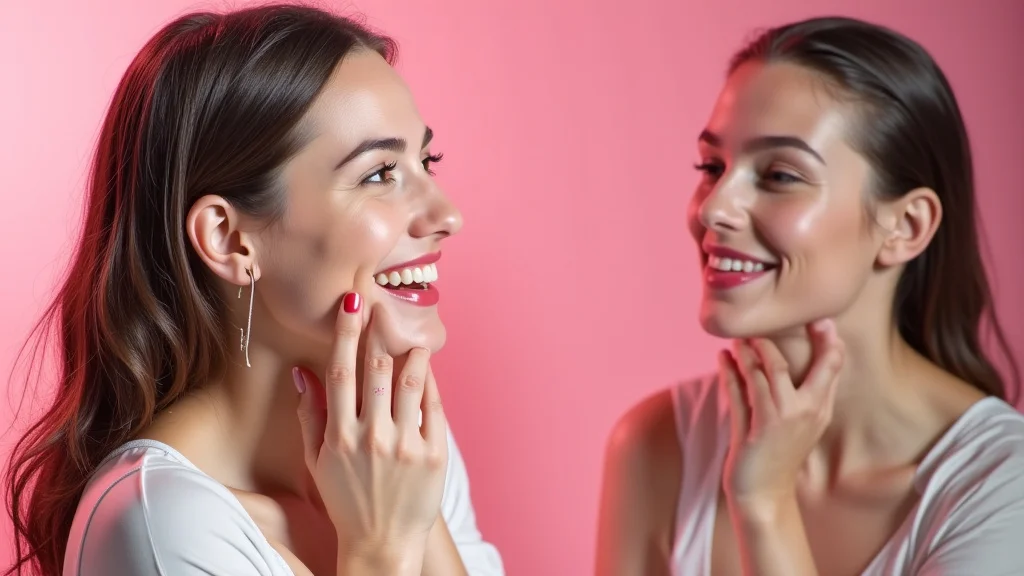
You see them everywhere. On your phone screen, on TV, in magazines. Those glowing faces, perfect skin, and promises of transformation.
Ever scrolled past a beauty product ad and felt a little lost about what’s real and what’s just clever marketing? It’s easy to get caught up in the hype. This post will help you look closer at beauty product ads.
You’ll learn how to spot effective techniques and make smarter choices.
Key Takeaways
- How beauty brands create compelling visual messages.
- The psychology behind why certain beauty product ads work.
- Identifying common claims and how to evaluate them.
- Understanding the role of influencers in beauty advertising.
- Making informed decisions based on honest marketing.
- The impact of ethical considerations on modern beauty ads.
Visual Storytelling in Beauty Product Ads
Visuals are the heart of beauty product ads. They aim to capture attention and evoke emotion instantly. Think about the lighting, the models, and the colors used. These elements work together to create a specific mood and highlight the product’s benefits.
The Power of Lighting and Color
Lighting in beauty product ads is carefully chosen to make skin look flawless and radiant. Soft, diffused light can hide imperfections and create a gentle glow. Harsh shadows might be used to define features or add a dramatic effect.
Colors play a huge role too. Soft pastels often convey gentleness and natural beauty, while bold, vibrant colors can suggest energy and excitement. Product packaging colors are also mirrored in the ad’s overall palette to create brand recognition.
- Highlighting the Product’s Star Qualities: Ads often focus on a single, key ingredient or benefit. This could be a “hydrating” serum, a “brightening” foundation, or a “long-lasting” lipstick. The visuals will then emphasize this specific benefit. For example, a serum ad might show dewdrops on skin, while a lipstick ad might focus on the smooth application and vibrant color payoff. This focus helps consumers quickly understand what the product is meant to do for them.
Model Selection and Presentation
The choice of models is crucial. They are often selected for their perceived beauty and ability to embody the brand’s image. Diverse representation is also becoming more important, with brands featuring models of various ages, ethnicities, and skin types.
Models are typically styled to look their best. Hair and makeup are perfected to showcase the product’s effects. Poses and expressions are designed to convey confidence, happiness, or serenity, linking these feelings to the product.
- Creating Aspirational Imagery: Advertisers often present an idealized version of beauty. This isn’t necessarily about being unrealistic but about showing a desirable outcome. The goal is to make the viewer think, “I want to look or feel like that.” This aspirational quality is a powerful motivator. It taps into consumers’ desires for self-improvement and enhanced appearance.
Setting the Scene
The background and overall setting of a beauty product ad contribute significantly to its message. A luxurious spa setting might suggest pampering and indulgence. A natural, outdoor scene could imply organic ingredients and a fresh, healthy look.
These environments help create a narrative around the product. They transport the viewer to a place where the desired results can be achieved. The setting reinforces the brand’s identity and the lifestyle it represents.
The Psychology Behind Beauty Ad Effectiveness
Beauty product ads tap into deep-seated human desires. They play on our wish for confidence, youthfulness, and attractiveness. Understanding these psychological triggers helps us see beyond the surface.
The Appeal of Transformation
One of the most powerful appeals in beauty advertising is transformation. Ads often show a “before and after” scenario, even if not explicitly. The implication is that the product will change your appearance for the better.
This taps into the desire for self-improvement. Consumers believe that by using a specific product, they can achieve a desired look or feel more confident. The promise of a quick, easy fix is very appealing.
- Emotional Connection Through Storytelling: Effective beauty ads tell a story. They might depict a moment of self-care, a confidence boost before an event, or the simple joy of feeling good in one’s own skin. These narratives create an emotional connection with the viewer. They go beyond just listing product features and make the product feel more relatable and desirable.
Social Proof and Belonging
When we see many people using or endorsing a product, we tend to trust it more. This is known as social proof. Beauty product ads often leverage this by showing happy users or referencing popularity.
The desire to belong also plays a role. If a product is seen as trendy or used by people we admire, we might want to use it too. This can lead to a feeling of being part of a community or group.
- Leveraging Scarcity and Urgency: Sometimes, ads create a sense of urgency to encourage immediate purchase. Phrases like “limited time offer” or “while supplies last” are common. This psychological tactic plays on the fear of missing out. It prompts consumers to act quickly before the opportunity is gone.
The Power of Suggestion
Beauty product ads often use suggestion rather than direct claims. Instead of saying “this will make you look 20 years younger,” they might show a model with flawless, radiant skin and imply the product’s role.
This leaves room for interpretation and avoids making guarantees that might be hard to prove. It allows consumers to project their own desires onto the product. The subtle messaging can be more persuasive than aggressive claims.
Evaluating Claims in Beauty Product Ads
It’s important to approach claims made in beauty product ads with a critical eye. While many products deliver on their promises, advertising often highlights the best-case scenarios.
Deconstructing “Miracle” Claims
Be wary of ads that promise “miraculous” or “instant” results. While some products can have noticeable effects, genuine, dramatic transformations usually take time and consistent use. Look for claims that are supported by evidence or that focus on achievable benefits.
Understanding Ingredient Focus
Many beauty product ads highlight key ingredients. While knowing about ingredients is good, don’t be fooled by buzzwords alone. Research the ingredient’s actual benefits and concentrations. What sounds impressive on a label might not be present in effective amounts in the product.
- Ingredient Efficacy Versus Marketing Hype: A common tactic is to feature a trendy ingredient prominently. For example, an ad might boast about “Hyaluronic Acid for ultimate hydration.” While Hyaluronic Acid is a great humectant, its effectiveness depends on the specific type and concentration used. Ads may overstate the benefits or use the ingredient as a marketing hook without sufficient supporting data.
The Role of Testimonials and Reviews
Testimonials and reviews can be helpful, but it’s wise to consider their source. Sponsored reviews or overly positive feedback might not reflect genuine user experiences. Look for reviews from various sources and try to gauge an average opinion.
A balanced review mentions both pros and cons. This provides a more realistic picture of the product’s performance. Remember that individual results can vary greatly.
The Influence of Influencers in Beauty Marketing
Social media influencers have become a major force in beauty product ads. Their endorsements can reach millions and significantly impact purchasing decisions.
Authenticity Versus Sponsorship
It’s vital to distinguish between genuine recommendations and sponsored content. While many influencers strive for authenticity, they are often paid to promote products. Look for disclosures like #ad or #sponsored to identify these partnerships.
Building Trust with Followers
Influencers build trust by sharing their personal experiences and routines. When they recommend a product, it often feels like advice from a friend. This perceived authenticity makes their endorsements highly effective.
- Disclosure and Transparency Standards: Regulatory bodies in many countries require influencers to clearly disclose sponsored content. This is crucial for consumers to make informed choices. When disclosures are present, it signals that the endorsement is a paid promotion, not just an unsolicited recommendation. This transparency helps maintain trust between influencers and their audience.
The Impact on Consumer Behavior
Influencer marketing has changed how people discover and buy beauty products. Seeing a product used and loved by someone they follow can create a strong desire to try it. This has led to rapid product adoption and trend cycles.
Ethical Considerations in Beauty Advertising
Modern consumers are increasingly aware of ethical issues. This includes concerns about product testing, environmental impact, and inclusive representation.
Animal Testing and Cruelty-Free Messaging
Many consumers prioritize cruelty-free products. Ads often emphasize “no animal testing” logos and messaging. This appeals to a consumer’s desire to make ethical choices.
Sustainability and Eco-Friendly Claims
Brands are increasingly highlighting their commitment to sustainability. This can include recyclable packaging, reduced carbon footprints, or ethically sourced ingredients. These claims resonate with environmentally conscious buyers.
- Greenwashing in Beauty Product Ads: Be aware of “greenwashing.” This is when brands make misleading claims about their environmental friendliness. They might exaggerate their efforts or focus on minor initiatives to appear more sustainable than they are. It is important to look for certifications and concrete evidence of sustainability practices.
Body Positivity and Inclusive Representation
The beauty industry is moving towards greater inclusivity. Ads are featuring a wider range of body types, ages, ethnicities, and abilities. This reflects a shift towards celebrating diverse beauty.
The focus is on empowering individuals rather than promoting narrow beauty standards. This approach resonates with consumers who value authenticity and self-acceptance.
Common Myths Debunked
Myth 1: All beauty product ads are truthful.
Reality: Advertising often uses creative language and selective presentation. While laws prevent outright lies, claims can be exaggerated or presented in the best possible light. It is important to critically evaluate every claim and look for independent evidence.
Not all advertising is inherently dishonest, but not all of it is entirely transparent either.
Myth 2: Expensive products always work better.
Reality: Price does not always equate to quality or effectiveness. Marketing budgets for high-end brands can inflate costs. Many affordable products contain the same effective ingredients as their luxury counterparts.
Research and reviews are more reliable indicators of performance than price alone.
Myth 3: “Natural” means completely safe and effective.
Reality: “Natural” ingredients can still cause allergic reactions or may not be potent enough to deliver significant results. Some natural ingredients can also be harmful if not processed correctly. The term “natural” is not always strictly regulated in beauty advertising.
It is important to check ingredient lists and understand what each component does.
Myth 4: If an influencer uses it, it must be good.
Reality: Influencers are often paid to promote products. Their personal experience may be genuine, but the endorsement is a business transaction. Consumers should look at multiple reviews and consider their own skin type and needs rather than relying solely on one influencer’s opinion.
Frequently Asked Questions
Question: How can I tell if a beauty product ad is making realistic claims?
Answer: Look for specific, measurable results rather than vague promises. Be wary of words like “miracle” or “instant.” Research the ingredients mentioned and check for independent reviews or scientific studies.
Question: What is “greenwashing” in beauty advertising?
Answer: Greenwashing is when a company makes misleading claims about its environmental friendliness. They might emphasize small eco-friendly efforts while downplaying larger negative impacts. Always look for certifications and concrete proof of sustainability practices.
Question: Should I trust testimonials in beauty product ads?
Answer: Testimonials can be helpful, but approach them with caution. Some may be sponsored or not reflect typical user experiences. Look for a variety of reviews from different sources for a more balanced view.
Question: How do influencers affect my buying decisions for beauty products?
Answer: Influencers can create strong desire through perceived authenticity and aspirational content. Their recommendations can feel like advice from a friend. It’s important to remember that many endorsements are paid promotions.
Question: What does “cruelty-free” mean in beauty product ads?
Answer: Cruelty-free means that the product and its ingredients were not tested on animals at any stage of development. Many consumers look for this label to align with their ethical values.
Wrap Up
Beauty product ads use visuals and psychology to attract you. By recognizing common tactics and evaluating claims critically, you can make smarter choices. Focus on what a product truly offers for your needs, not just the shiny packaging or celebrity endorsement.
Your informed decisions lead to satisfaction.
Leave a Reply