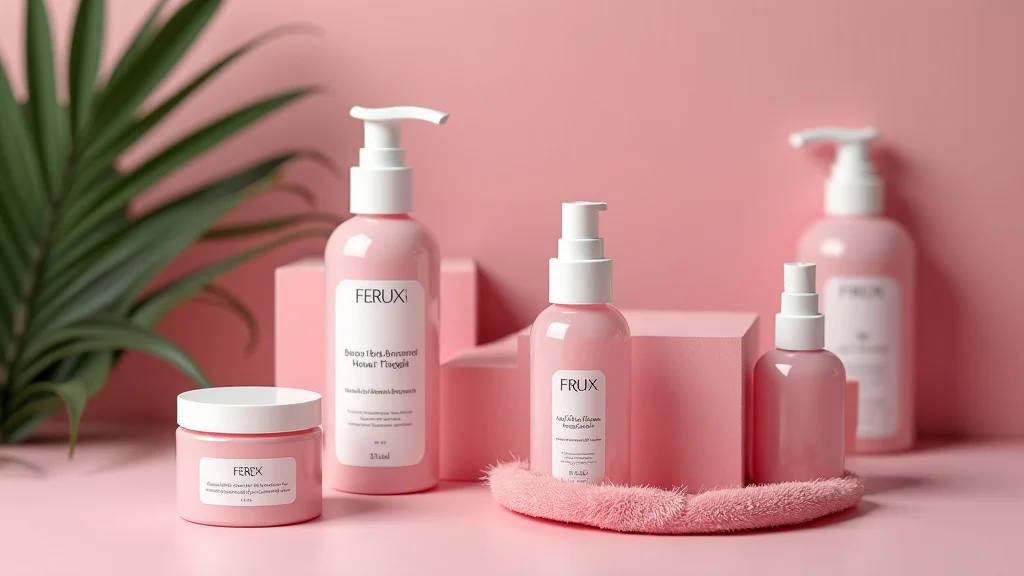
Scrolling through social media, it’s easy to feel overwhelmed by all the new beauty and hair products. Every other post seems to showcase a revolutionary serum or a miracle hair mask. Keeping up can feel like a full-time job!
This guide cuts through the noise. We will explore the most exciting trending beauty and hair care products. You’ll learn what makes them popular and how they can benefit your routine.
Get ready to discover your next holy grail item and refresh your self-care practices.
Key Takeaways
- Discover the hottest ingredients in current beauty trends like niacinamide and hyaluronic acid.
- Learn about innovative skincare devices and their proven benefits.
- Understand the rise of sustainable and clean beauty options.
- Explore new approaches to hair care, from scalp treatments to advanced styling tools.
- Find out which trending products are worth the hype for visible results.
- Identify ways to incorporate these popular items into your daily routine effectively.
Current Trends in Skin Care Products
The skincare landscape is always shifting, driven by new scientific discoveries and a growing demand for effective, gentle formulations. Consumers are increasingly informed about ingredients and their effects on the skin. This has led to a surge in products that focus on specific concerns like hydration, anti-aging, and barrier repair.
We are seeing a shift from broad-spectrum claims to targeted solutions. This means products are designed to address very particular skin needs with precision.
The Power of Hydration Ingredients
Hydration is foundational for healthy skin. Ingredients that attract and retain moisture are consistently popular. These ingredients form the backbone of many effective skincare routines.
They help keep the skin plump, smooth, and resilient. Without adequate hydration, skin can appear dull, flaky, and more prone to fine lines. The right humectants and emollients can transform the skin’s texture and appearance.
- Hyaluronic Acid: This is a superstar humectant. It can hold up to 1000 times its weight in water. It draws moisture from the environment into the skin, plumping and smoothing fine lines. Hyaluronic acid exists naturally in the skin. Its levels decrease with age, making topical application beneficial for all skin types. Different molecular weights penetrate the skin at varying depths. Larger molecules hydrate the surface, while smaller ones can reach deeper layers.
- Glycerin: Another highly effective humectant. Glycerin is a common ingredient in many moisturizers. It works by pulling water from the air into the skin. It is safe for sensitive skin and helps improve skin barrier function. Glycerin is also an emollient, meaning it helps soften and smooth the skin. This makes it excellent for dry or rough patches. Its presence in a formula often indicates a focus on deep hydration.
- Ceramides: These are lipid molecules naturally found in the skin barrier. They are essential for maintaining skin hydration and protecting against environmental aggressors. As we age, ceramide production declines. Topical ceramides help replenish these essential lipids. This strengthens the skin barrier, reduces water loss, and improves elasticity. Products containing ceramides are often recommended for dry, sensitive, or compromised skin.
Spotlight on Barrier Repair
A compromised skin barrier is a root cause of many common skin issues. Redness, sensitivity, breakouts, and dryness can all stem from a damaged barrier. Products focused on barrier repair are gaining significant traction.
They aim to restore the skin’s natural protective function. This leads to calmer, more resilient skin over time.
- Niacinamide (Vitamin B3): This multi-tasking ingredient is a top trend. Niacinamide helps improve skin’s elasticity, build keratin, and strengthen the skin barrier. It also has anti-inflammatory properties that can reduce redness and blotchiness. Furthermore, it can help regulate oil production and minimize the appearance of pores. Its versatility makes it a favorite for many different skin concerns.
- Centella Asiatica (Cica): Also known as tiger grass, Cica is prized for its soothing and healing properties. It is rich in antioxidants and amino acids. Cica helps calm irritation, reduce redness, and promote skin regeneration. It is particularly beneficial for sensitive or acne-prone skin. Many popular serums and creams feature Cica as a primary ingredient for its restorative effects.
The Rise of Advanced Active Ingredients
Beyond the basics, consumers are seeking potent active ingredients for targeted results. These ingredients often require careful formulation and understanding of their interactions.
- Peptides: These are short chains of amino acids that signal the skin to produce more collagen. Collagen is crucial for skin firmness and elasticity. As we age, collagen production slows down. Peptide serums can help to firm the skin and reduce the appearance of wrinkles. Different peptides target different concerns, such as muscle relaxation or improved skin repair.
- Retinoids (Retinol, Retinaldehyde): While not new, retinoids remain a gold standard for anti-aging. They accelerate cell turnover, promote collagen production, and unclog pores. Newer formulations are often gentler and more stable, making them accessible to a wider audience. They are effective for treating wrinkles, acne, and uneven skin tone.
Trending Innovations in Hair Care
Hair care is moving beyond just cleansing and conditioning. The focus is now on scalp health, targeted treatments, and advanced styling. Consumers are treating their scalps with the same care they give their facial skin.
This has led to a boom in scalp serums, exfoliators, and specialized treatments. The goal is to create a healthier foundation for hair growth and shine.
Scalp Health is the New Skin Health
A healthy scalp is essential for healthy hair. Products that support the scalp environment are highly sought after. These include gentle exfoliants, nourishing oils, and targeted serums.
- Scalp Serums: These concentrated treatments deliver potent ingredients directly to the scalp. They often contain vitamins, peptides, and plant extracts. These serums aim to stimulate hair follicles, reduce inflammation, and promote thicker, fuller hair. Many are designed for daily use.
- Exfoliating Scalp Treatments: Similar to facial exfoliation, these treatments remove product buildup, dead skin cells, and excess oil. This can improve scalp health and encourage better hair growth. Options range from physical scrubs with fine grains to chemical exfoliants with AHAs or BHAs.
- Nourishing Oils: Oils like rosemary, castor, and argan oil are popular for their purported benefits for hair growth and scalp health. They can help moisturize the scalp, reduce breakage, and add shine to the hair.
Formulations for Hair Repair and Growth
Damaged hair from heat styling, coloring, or environmental factors is a major concern. Innovations in repair and growth formulations are leading the way.
- Bond-Building Treatments: These innovative products work to repair broken disulfide bonds in the hair. These bonds are often damaged by chemical treatments like bleaching and perming. Ingredients like bis-aminopropyl diglycol dimaleate have revolutionized hair repair. They can significantly improve hair strength and reduce breakage.
- Biotin and Keratin Infused Products: Biotin is a B vitamin known for its role in hair, skin, and nail health. Keratin is the primary protein in hair. Shampoos, conditioners, and treatments infused with these ingredients claim to strengthen hair and improve its overall appearance.
- Stimulating Ingredients: Minoxidil remains a key ingredient for hair growth, but consumers are also looking for natural alternatives. Ingredients like caffeine, peppermint oil, and redensyl are being incorporated into products for their potential to stimulate hair follicles.
Advanced Hair Styling Technology
Hair styling tools are also seeing significant advancements. The focus is on reducing heat damage and achieving salon-quality results at home.
- Ionic Technology Hair Dryers: These dryers emit negative ions. Negative ions help break down water molecules faster. This reduces drying time and minimizes heat damage. They also help to smooth the hair cuticle, reducing frizz and increasing shine.
- Smart Styling Tools: Some tools now feature adjustable heat settings and sensors. These can monitor hair temperature and adjust heat levels to prevent overheating. This personalized approach helps protect hair from thermal damage.
The Dominance of Clean and Sustainable Beauty
Consumers are increasingly aware of the environmental and ethical impact of their purchases. This has fueled a massive trend towards clean and sustainable beauty products. Clean beauty typically means products formulated without certain controversial ingredients.
Sustainable beauty focuses on eco-friendly packaging, ethical sourcing, and reduced environmental footprint.
What Defines “Clean” Beauty
The term “clean beauty” isn’t strictly regulated, but it generally implies products formulated with ingredients that are perceived as safer and less toxic. This often includes avoiding parabens, sulfates, phthalates, synthetic fragrances, and silicones.
- Ingredient Transparency: Brands are becoming more transparent about their ingredient lists. They often highlight the natural origins of their components. Consumers want to know exactly what they are putting on their skin and hair.
- Minimalist Formulations: Many clean beauty brands opt for simpler ingredient lists. They focus on high-performance, plant-derived ingredients that deliver effective results without unnecessary fillers.
- Ethical Sourcing: There is a growing emphasis on ensuring ingredients are sourced ethically and sustainably. This includes fair trade practices and support for local communities.
Sustainable Packaging and Practices
The beauty industry is making strides in reducing its environmental impact.
- Recyclable and Refillable Packaging: Many brands are switching to recyclable materials like glass and aluminum. Refillable options for popular products are also becoming more common. This significantly reduces plastic waste.
- Reduced Water Usage: Some brands are developing waterless or solid formulations. These products require less water in production and often have less packaging.
- Cruelty-Free and Vegan Options: The demand for cruelty-free and vegan products continues to grow. Brands are ensuring their products are not tested on animals and do not contain animal-derived ingredients.
Emerging Beauty Tech and Devices
Technology is playing an increasingly important role in beauty. Smart devices are allowing for personalized treatments and more effective skincare routines.
At-Home Skincare Devices
These devices bring professional spa treatments into the comfort of your home.
- LED Light Therapy Masks: These masks use different wavelengths of light to target various skin concerns. Red light is often used for anti-aging and collagen production. Blue light is used for acne treatment. Green light can help with hyperpigmentation.
- Microcurrent Devices: Microcurrent therapy uses low-level electrical currents to stimulate facial muscles. This can help lift, tone, and firm the skin. They are often used for contouring and reducing the appearance of fine lines.
- Sonic Cleansing Brushes: These brushes use sonic vibrations to deeply cleanse the skin. They remove dirt, oil, and makeup more effectively than manual cleansing. Many offer different intensity settings for a customizable experience.
Smart Beauty Tools
Even everyday tools are getting smarter.
- Smart Mirrors: These mirrors can analyze your skin’s condition. They may suggest personalized product recommendations or track changes in your skin over time.
- AI-Powered Shade Matching: Apps and devices use artificial intelligence to find your perfect foundation or concealer shade. This removes the guesswork from online makeup shopping.
Real-Life Examples and Case Studies
Case Study: The Hyaluronic Acid Surge
Consider the widespread adoption of hyaluronic acid serums. Brands like The Ordinary, Vichy, and Neutrogena have all launched popular hyaluronic acid serums. These products are often affordably priced and highlight the ingredient’s ability to plump and hydrate.
Reviews frequently mention a visible difference in skin texture and reduced appearance of fine lines. This ingredient’s popularity stems from its safety for most skin types and its immediate visible results. Many users report feeling their skin is “dewy” and more supple after consistent use.
Scenario: Restoring a Damaged Hair Barrier
Imagine someone who frequently colors and heat-styles their hair. They notice increased breakage, frizz, and dryness. They decide to try a bond-building hair treatment, like Olaplex No.
3. After several weeks of using it as directed, they observe a significant reduction in breakage. Their hair feels stronger, smoother, and more manageable.
The product effectively worked to repair the internal structure of their damaged hair strands.
Statistics on Trending Products
| Category | Growth Rate (Approx.) | Key Driver |
|---|---|---|
| Clean Beauty | 10-15% Annually | Consumer demand for safer, eco-friendly products. |
| Scalp Care Products | 12-18% Annually | Increased awareness of scalp health’s impact on hair. |
| At-Home Skincare Devices | 8-12% Annually | Desire for professional results and convenience. |
The market for clean beauty products is experiencing substantial annual growth. This reflects a growing consumer consciousness regarding ingredient safety and environmental impact. Similarly, the scalp care segment is expanding rapidly as people recognize the importance of a healthy scalp for overall hair health.
Common Myths Debunked
Myth 1: Natural Ingredients Are Always Better and Safer
While many natural ingredients are beneficial, they can also cause allergic reactions or irritation for some individuals. “Natural” doesn’t automatically mean “hypoallergenic” or “safer” for everyone. It is important to check ingredient lists and perform patch tests, regardless of whether ingredients are natural or synthetic.
Some natural substances, like certain essential oils, can be photosensitive or cause irritation if not properly diluted.
Myth 2: You Need Many Steps for Effective Skincare
A complex, multi-step routine is not always necessary for healthy skin. Focusing on a few key steps like cleansing, moisturizing, and sun protection can be highly effective. The trend towards minimalist routines and multi-tasking ingredients supports this idea.
A simplified routine can be easier to stick to and less likely to overwhelm the skin.
Myth 3: Expensive Products Are Always Superior
While some high-end products use advanced technology or rare ingredients, price does not always equate to quality or effectiveness. Many effective products are available at affordable price points. Often, the cost of premium products reflects branding, packaging, and marketing more than the core ingredients.
Focusing on key active ingredients and formulation is more important than brand name alone.
Myth 4: You Can Permanently Grow More Hair
While many products aim to stimulate hair growth and reduce shedding, hair loss is a complex issue. Factors like genetics, hormones, and underlying health conditions play significant roles. Most treatments focus on optimizing the scalp environment and prolonging the active growth phase of existing follicles, rather than creating entirely new ones.
Consistent use and realistic expectations are key.
Frequently Asked Questions
Question: What are the most popular trending ingredients in skin care right now
Answer: Currently, hyaluronic acid for hydration, niacinamide for barrier repair and brightening, and peptides for anti-aging are very popular.
Question: How do bond-building hair treatments work
Answer: Bond-building treatments repair the internal structure of damaged hair by reconnecting broken disulfide bonds, improving strength and reducing breakage.
Question: Is clean beauty just a marketing trend
Answer: While marketing plays a role, the clean beauty movement reflects a genuine consumer desire for safer ingredients and more sustainable practices.
Question: Can I use LED light therapy masks at home
Answer: Yes, many effective and user-friendly LED light therapy masks are available for at-home use to target various skin concerns.
Question: What is the importance of scalp health for hair
Answer: A healthy scalp provides the optimal environment for hair follicles to thrive, leading to stronger, healthier hair growth.
Summary
This guide explored the exciting world of trending beauty and hair care products. We covered key ingredients like hyaluronic acid and niacinamide. We also looked at innovative hair care focusing on scalp health and repair.
The rise of clean, sustainable options and advanced beauty tech shows a shift towards conscious consumption. Discovering these popular products can help you achieve your best skin and hair. Explore these trends to elevate your self-care routine.